Buy a house in Eindhoven: steps from budget to keys
A practical Eindhoven home-buying sequence covering budget, viewings, documents, offers, contracts, costs and the decisions between them.
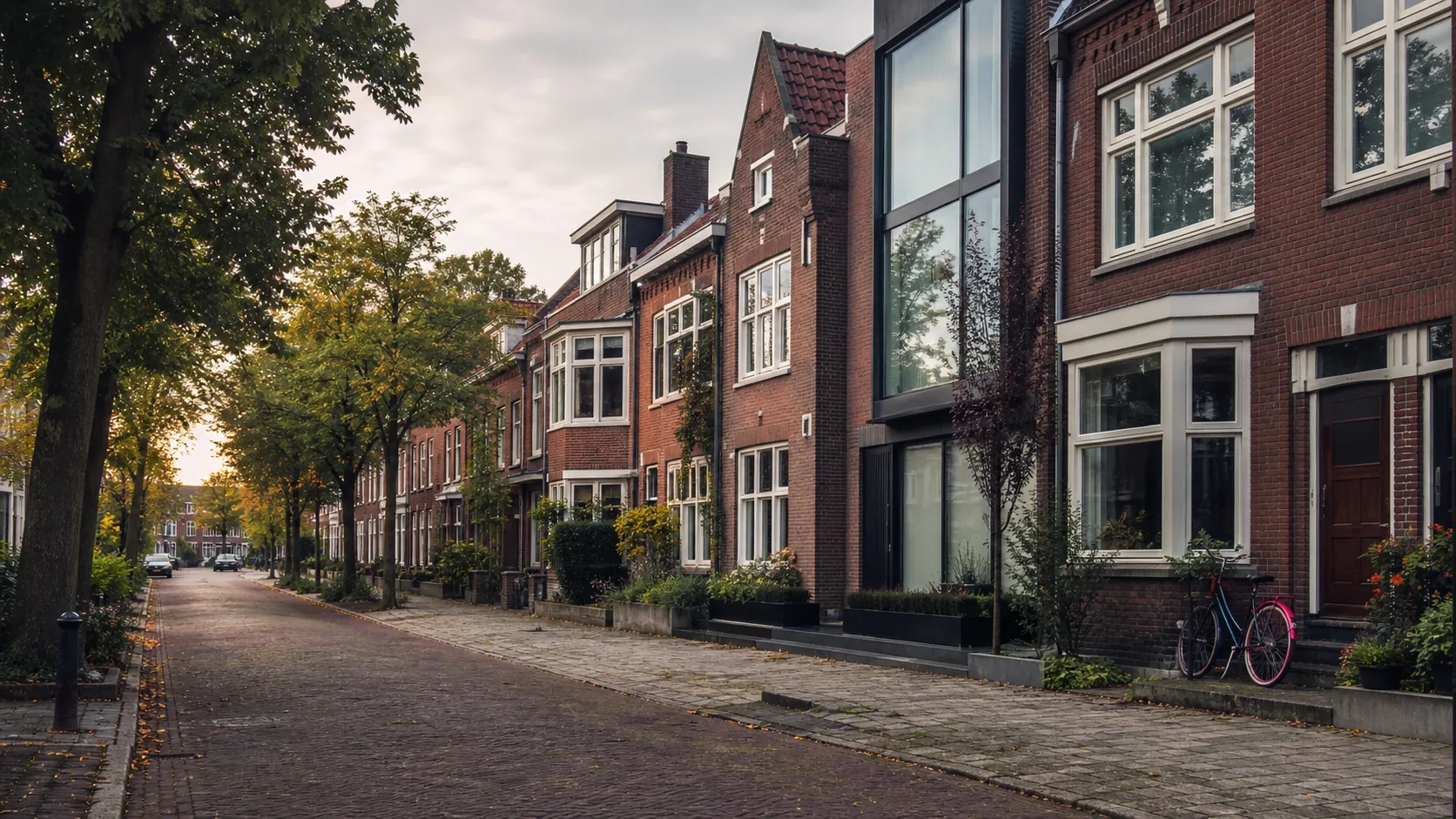
TL;DR: Set your monthly housing budget and priorities first. Then compare each home with its neighbourhood, gather property records, define your offer conditions, read the contract and leave time for the notary.
What should you decide first?
Reading time: 12 minutes
Level: suitable for a first orientation
Before you start: gather your savings, an initial mortgage estimate and your housing priorities.
At the end: you can narrow the search, prepare for a viewing and list questions for a professional.
If you are buying a house in Eindhoven, give monthly spending, asking price, property condition, neighbourhood and contract terms their own place. Keep them in one decision record so a good viewing does not set the budget for you.
What should you prepare?
Required information
- A view of your savings and a monthly amount that fits your household.
- An initial estimate of your mortgage room, including the assumptions behind it.
- Housing priorities, travel time, outdoor space, home type and limits for maintenance.
- A notebook for viewing questions and a folder for documents from the seller.
Useful additions
- A comparison sheet with the same fields for price, floor area, energy label, maintenance and neighbourhood.
- A building inspection when the age, condition or planned work calls for one.
- A Dutch mortgage adviser, notary or buying agent when your situation needs specialist input.
Before you start
- Eindhoven’s six city districts provide a frame for comparing daily setting, travel and facilities, while the street itself still needs your viewing notes.
- List the information that is still missing before an offer becomes a real option.
- Leave time for advice and document review. A fast decision leaves little room for questions about a contract or property record.
When a contract or neighbourhood term needs local context, Eindhoven property, contract and neighbourhood topics help you frame the next question within the purchase.

How do the buying steps fit together?
Step 1: Set your monthly room
Start with the amount you want to spend each month. The asking price says little about interest, repayment, maintenance, energy, insurance and local charges.
What to do:
- Write down savings, expected financing and a reserve for costs around the purchase.
- Ask for an initial mortgage estimate and record the assumptions behind it.
- Set a monthly limit that leaves room for changes in income or household costs.
Practical tip: put the monthly limit at the top of your comparison sheet. Look at the figures before the attractive photo.
Common mistake: treating the maximum loan as the amount you want to spend. Borrowing capacity and comfortable living answer different questions.
Set the costs of buying a house beside your monthly room before comparing asking prices.
Budget for costs around a Dutch home purchase separately from the asking price, since notary, Kadaster, transfer tax and advice can vary by file.
When you estimate purchase costs, compare your reserve with the 2026 transfer-tax rates and starter conditions because the rate depends on whether you will live in the home.
Step 2: Choose the home and neighbourhood separately
A home and its setting provide two kinds of evidence. Assess the home for layout, condition and records. Assess the neighbourhood for travel time, daily facilities, noise, green space and how it feels at different times of day.
What to do:
- List three housing priorities you need and three points where you can adapt.
- The same fields make home and neighbourhood comparisons more reliable than a first impression.
- Look at the city district and immediate setting before you settle on a favourite.
Expected result: you can explain why a home fits daily life and which compromise you are making.
If you get stuck: arrange a second visit at another time and write down observations before looking at the asking price again.
Step 3: Check the home and documents
Gather the records you will use to assess the property. This may include an energy label, maintenance history, alterations, installations, ownership details and, for an apartment, documents from the owners’ association.
What to do:
- For each room, note what you see, what you cannot assess and what you want to ask the seller.
- Compare the documents with the property and the seller’s statements.
- Consider a building inspection when a viewing cannot give enough confidence.
Before you turn a viewing into an offer, the Dutch government’s steps and contract questions for buying a home put the early decisions in order.
If your lender requires a valuation, record the mortgage valuation requirements for Eindhoven in your financing notes before requesting the report.
When you receive a contract signed by both parties, the starting point and weekend rules for the three-day period determine how you count the statutory cooling time.
Step 4: Prepare the offer and conditions
An offer includes the amount, timing and conditions. Consider the transfer date, financing condition, building inspection and any other term your situation needs.
What to do:
- Write down the amount you can carry and the conditions you do not want to forget.
- Ask who will explain the purchase contract before you commit.
- Compare the offer with the home information and your own limit, alongside the asking price.
An offer may be rejected or lead to negotiation. Pressure should not decide which question you leave unanswered.
Step 5: Read the purchase contract and cooling period
After agreement, you receive a purchase contract. Read the amounts, deadlines, conditions and statements about defects. A professional can explain provisions you do not understand.
The statutory cooling time begins after you receive the signed contract, and a longer period can be agreed in the contract.
Step 6: Prepare for the notary and handover
The notary handles the legal transfer and prepares the deeds. Allow time to discuss the statement of costs, mortgage deed, transfer deed and any questions.
On the agreed day, compare the home with the arrangements, sign the deeds and receive the keys when the transfer is complete.
How do you know your plan is ready?
Signs that your buying plan is ready
- You can explain your monthly limit without using the maximum loan as the goal.
- You entered the same fields for each home, covering the property, neighbourhood, costs and open questions.
- You know which conditions you want to discuss and which documents are missing.
- You have time reserved for contract explanations and the notary transfer.
Give your plan a final check
- Ask someone in your household to read the comparison sheet and identify the choice that still feels unclear.
- Confirm that each large assumption has a current answer or a concrete question.
- Re-read your budget after adding maintenance, advice, inspection, notary and moving.
What can disrupt your purchase plan?
When the asking price takes over the budget
Symptoms: you think only about the home price and have no reserve for extra costs or maintenance.
Solution: place monthly room, savings and a reserve beside the asking price. Set a new search limit.
Prevention: start every comparison with the same financial fields.
When buying from abroad feels unclear
Symptoms: Dutch terms for financing, contracts and the notary are unfamiliar, or documents for a mortgage conversation are missing.
Solution: arrange an early conversation with a Dutch mortgage adviser, notary or buying agent and ask which translation or identification is needed.
Prevention: make a two-language list for amounts, conditions and documents before making an offer.
When impressions replace a fair comparison
Symptoms: viewing notes use a different structure each time and the neighbourhood enters the decision after a favourite home appears.
Solution: use fixed fields and visit the setting at a second moment.
Prevention: finish the comparison on the same day.
How does the plan change for your situation?
First home
Leave extra time for terms such as financing condition, transfer tax, valuation and purchase contract. Write down questions before you speak with an adviser.
Buying as an expat
Ask how a lender and notary will assess your income, residence situation and Dutch documents. A translation supports understanding, while a professional should confirm the legal meaning.
New-build home
A new-build home may have a different schedule, purchase and building agreement, options for extra work and tax treatment. Treat those differences as questions for the project team and your adviser.
How do you protect your money and documents?
Keep your documents safe
- Do not send a passport, payslip, bank statement or purchase contract through this website’s public form.
- Share financial details only through a channel where you have checked the recipient and security.
- Have contracts and personal calculations reviewed by a suitable professional.
- Confirm amounts, rates and deadlines again when you are ready to make an offer.
Habits that keep the file clear
- Save document versions with a date and sender.
- Note who gave an answer and which question it addressed.
- Keep general information, a personal calculation and legal advice separate.
Questions buyers ask before they commit
How much money do I need beside the purchase price?
Transfer tax, the notary, mortgage advice, valuation, inspection, agent costs and moving may sit beside the purchase price. The amount depends on the home and your situation. For 2026, the Belastingdienst lists 2% when you will live in the home, 8% when the home will not be your main residence and 10.4% for other immovable property. A starter exemption can reduce the rate to 0% when its conditions apply. Confirm the applicable rate and exemption conditions before you make an offer.
Does the cooling period start when I sign?
The three-day statutory period starts on the day after you receive the contract signed by both parties. At least two days must be free of Saturday, Sunday or a recognised public holiday; an extra day can follow when that condition is not met. Ask for an explanation when a date is unclear.
When do I need a professional?
A mortgage adviser can assess personal financing. A building inspector can examine the condition of a home. A notary explains the transfer and deeds. A buying agent can help with searching, offers and negotiation. Choose help for the question you cannot answer from the documents and your own observations.
What should you do after the first comparison?
Compare monthly room, home evidence and neighbourhood notes before deciding which unanswered question belongs with a professional.
Which details need a fresh check?
Public information changes, so confirm project, tax and contract details before you commit.
Buying a house in Eindhoven involves decisions about money, the property and the purchase contract. This site offers general information, so confirm amounts, conditions and deadlines with your mortgage adviser, notary or another qualified professional.
Ask us about buying in Eindhoven →Please leave passports, contracts, bank details and other personal documents out of the message.